ALL Gloves

Editorial | 07 July 2025
Director of KDG Workwear Ben Gearing talks about the evolving world of personal protective equipment.

Through my 15-plus years in the industry, I’ve seen a whole host of significant changes sweep the PPE market landscape.
One of the most notable changes has been the evolution in product development. Manufacturers are now using different materials and ergonomic designs to improve both protection and comfort.
There’s been a push for multi-functional PPE - products that offer protection against multiple hazards while remaining true to what they are.
Smart PPE is also emerging with such features as integrating sensors and technology to monitor exposure levels and worker vitals in real time, self-heating jackets, integrated head torches on helmets and beanie hats, to name but a few examples.
Another clear trend I see is the growing emphasis on style and appearance. PPE is no longer just about safety - it’s also about wearability.
Workers want to feel good in what they wear, and employers are recognising that a better-looking garment improves compliance.
From slim-fit hi-vis clothing to colour-coordinated hard hats and boots, the industry is blending function with fashion in ways we haven't seen before.
Take trousers for an example - the baggy fit, wide ankle trousers are fading away and slimmer fit, stretch products are taking over.
The younger generation have been brought up on skinny jeans and muscle fit t-shirts, and this is what’s expected of the PPE clothing now.
Despite all the advancements, non-conforming PPE remains a significant issue.
There’s still a substantial portion of the market where products don’t meet proper standards, especially in the footwear department.
This not only puts the worker at risk but the employer who isn’t aware that the product is non-conforming.
The distribution landscape has exploded and there are more players than ever before. This has driven competition and even innovations, in some cases.
It’s also made the market more fragmented and price driven. With so many distributors vying for attention, differentiation now comes down to value-added services and product knowledge.

Customer expectations have become more nuanced, and our strategy has evolved to stay ahead. We prioritise flexibility, compliance and cost-effectiveness while adapting to a market that now demands both form and function.
One major shift we’ve seen is the growing demand for composite footwear. Customers are increasingly prioritising lightweight, non-metallic options for enhanced comfort and reduced fatigue.
Previously this was only really driven in the high-security environments like airports or areas with metal detection.
As a result, we’ve expanded our inventory to carry a wider range of composite alternatives that still meet or exceed safety standards.
Customers are now more knowledgeable about the fact that composite options offer protection of the foot just like steel toe and midsoles do.
The ever-changing financial landscape has also brought price point into sharper focus.
Customers are more cost-conscious than ever, and while safety remains non-negotiable, they’re actively looking for solutions that offer long-term value without compromising on protection.
This has driven us to be more strategic in our product selection sourcing reliable, compliant PPE that hits the right balance between affordability and quality.
Whilst some of the new designs made are head-turning, some customers simply can’t afford it, or employers want to keep costs down to a minimum.
We’re also always looking at volume purchasing and supplier relationships to pass cost efficiencies on to our clients.
Another growing trend is the desire for branded or colour-specific PPE. More organisations now want their workforce to reflect their brand identity.
Customers’ preference in matching various products and two-tone garments to align with their own brand colours has led us to diversify our inventory and work closely with manufacturers to provide bespoke solutions or hold stock tailored to key customer tastes.

Sustainability is no longer a tick box ‘nice to have’ option – it’s becoming a core part of the conversation. While change is still restricted by cost concerns, customer expectations are clearly moving in a greener direction.
The “green” PPE market is still relatively new, but it’s growing quickly. We’re seeing more customers - particularly larger corporations and those working in publicly funded sectors - start to prioritise sustainability as a key part of their procurement decisions.
While it’s not yet the dominant factor, it’s clear that eco-conscious buying is no longer a niche concern.
One challenge is the cost of these greener alternatives. Many products made from recycled or more sustainable materials come with a premium price tag, which can be a sticking point for some customers, especially in today’s economy.
There’s often a tension between the desire to go green and the reality of budget constraints, so we’re working hard to present sustainable options that balance both environmental responsibility and cost-effectiveness.
Where we’re seeing the biggest impact is in formal tender applications. More and more, tenders are asking for detailed recycling plans and evidence of what we as a supplier are doing to reduce our environmental footprint.
This has pushed us to take a more structured approach by reviewing our supply chain, working with greener manufacturers, and actively documenting our sustainability practices.

The demand for PPE is spreading into non-traditional sectors, some driven by technology, others by social shifts. The key will be adapting PPE solutions to suit these new environments without compromising on comfort, style or functionality.
As the world shifts toward sustainability, sectors like wind and solar power are expanding rapidly. These environments bring newer risks - working at height, being in confined spaces and high-voltage systems. All these mean specialised PPE will be required.
As we continue to move forward into an ever-changing digital world, this infrastructure grows and thus so does the need for PPE in environments like data centres and server farms. These areas often require anti-static, cleanroom-grade clothing, which not all PPE suppliers currently focus on.
Interestingly, sectors like live events, film production, and even fashion are starting to use more PPE, especially post-pandemic. Whether it’s for rigging crews, temporary builds, or compliance with stricter H&S standards, this space is set to grow.

Looking ahead over the next five to ten years, I see the PPE industry continuing to evolve in some dramatic and sometimes surprising ways.
There’s no doubt that PPE is becoming increasingly style conscious and I believe this will only accelerate. We’re already seeing more fitted, brand conscious and colour-coordinated garments. I wouldn’t be surprised if PPE eventually finds its way onto the catwalk in some form!
It’s not just about safety anymore, it’s about image, identity and workforce morale.
Employers want their teams to look professional and aligned with their brand, and PPE will play a big role in that visual consistency of this.
At the same time, the industry is getting more competitive by the day, with companies constantly undercutting each other, sometimes fighting over pennies to win contracts. This race to the bottom can be risky, as it increases the temptation to cut corners.
I think the winners in the future will be those who can offer value beyond just price, things like reliability, compliance, sustainability, and customer service.
We’ll also see more innovation, particularly around smart PPE. Imagine the smart watch but somehow integrated into PPE. Wearables that track fatigue, environmental hazards, or even body temperature could be something that’s thought of and developed, potentially for higher-risk sectors.
And as technology becomes more affordable, it will filter down into standard issue gear. We’re seeing this change in footwear: companies are now producing footwear with ESD as standard.
Sustainability will grow from being a trend to a standard expectation. I see recycled materials, product take-back schemes and greener supply chains becoming more embedded in how the industry operates. Not just because customers ask for it, but because legislation will most likely demand it.
Success will come down to the ones who can innovate and adapt without compromising on safety or values.
Ben Gearing is director and executive sales at KDG Workwear Ltd. He has over 14 years of experience in supplying and advising on PPE distributed across the whole of the United Kingdom.


| 28 July 2025
We look at Blackrock items ideal to keep the wearer both cool and safe during the summer.
READ POST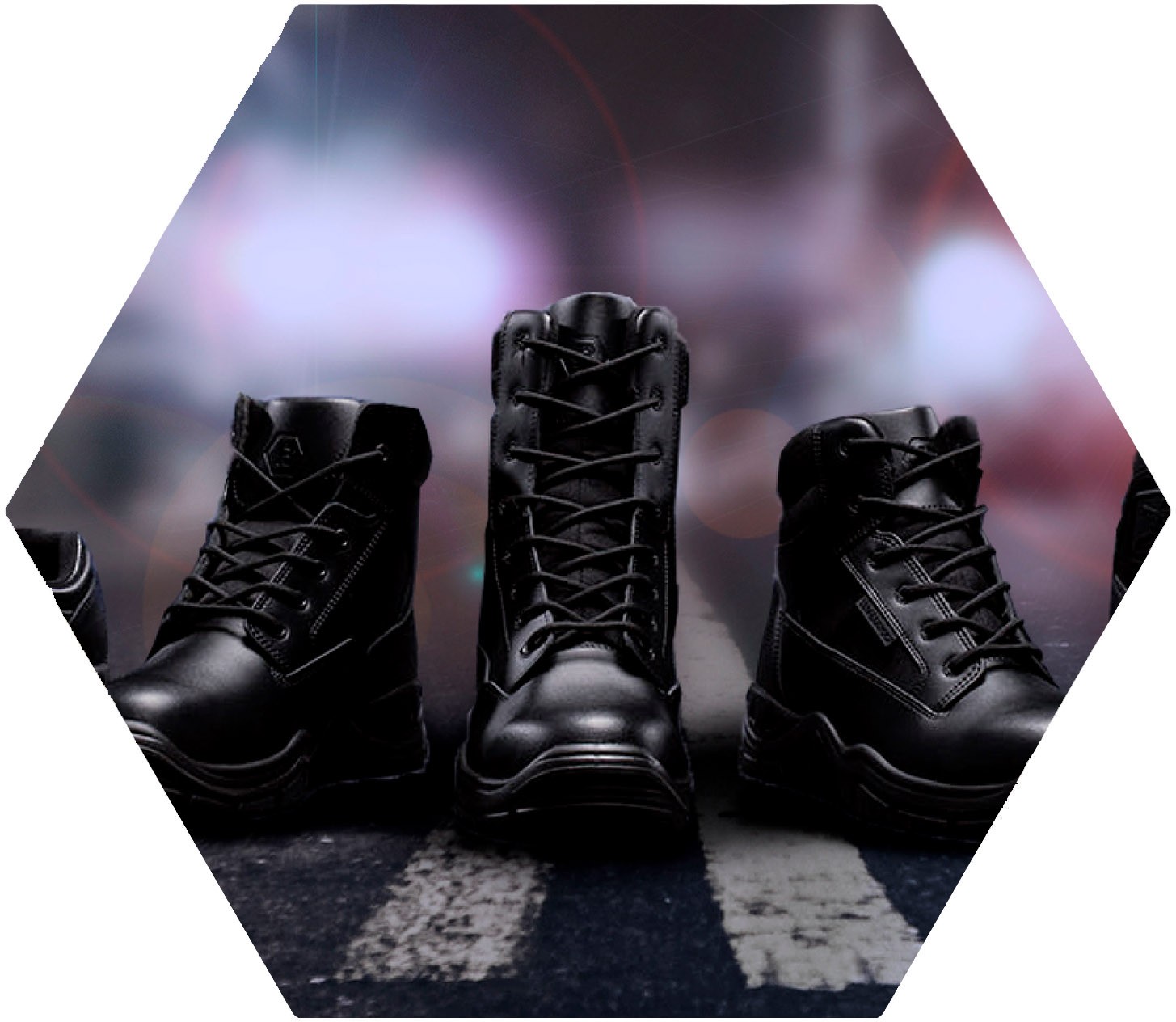
Editorial | 10 March 2021
Find out more about the newest additions to the Blackrock footwear range
READ POST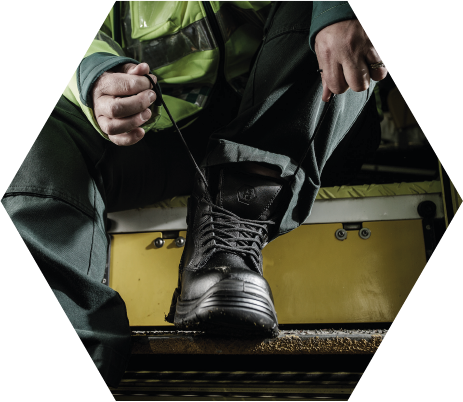
Editorial | 20 December 2021
Over the last year you may have seen the phrase ‘tactical footwear’ mentioned by us. But what is tactical footwear?
READ POST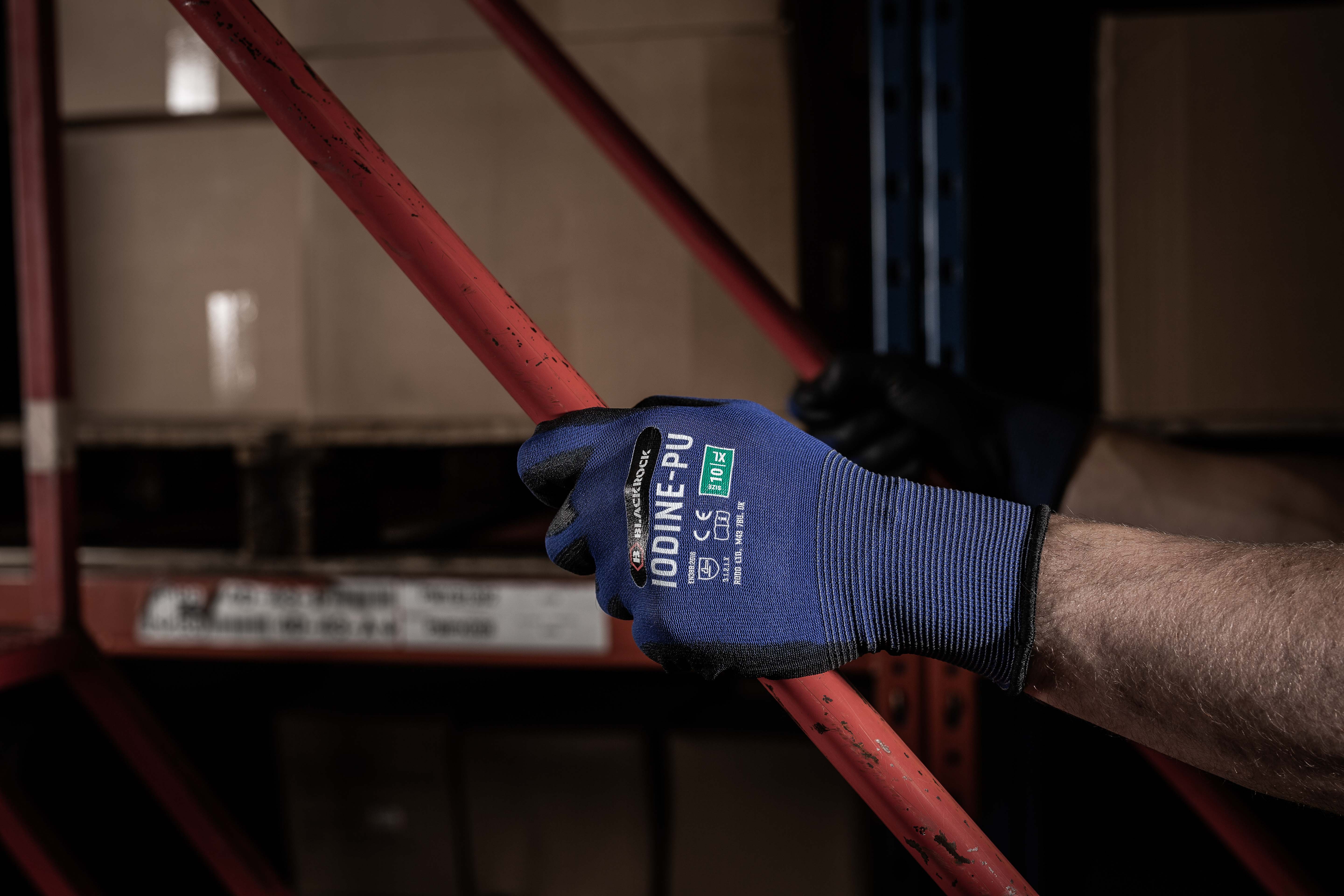
| 06 June 2022
Work gloves shouldn’t be complicated. So what does PU, FN, LC etc mean?
READ POST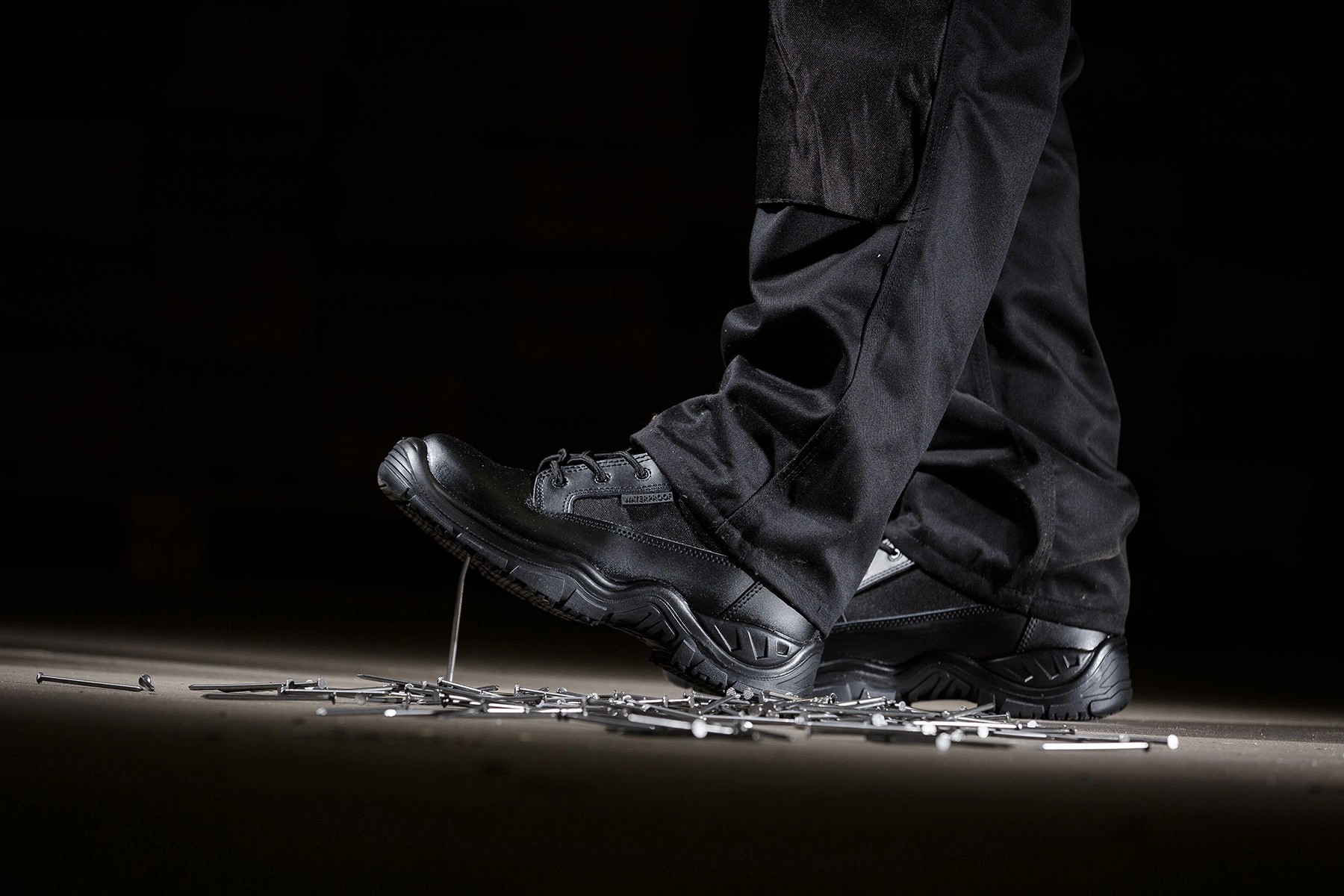
| 23 January 2023
Footwear comfort is heavily affected by the type of protective midsole you have. Which is the best for you?
READ POST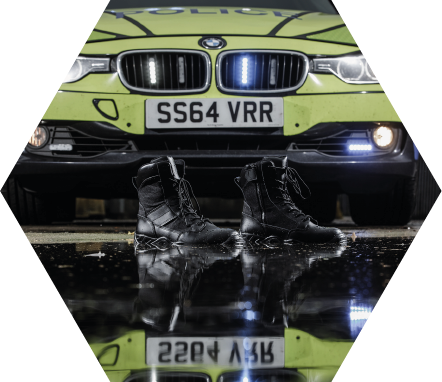
Editorial | 20 October 2021
We look at how the Tactical Footwear range stacks up against real world use by members of the police.
READ POST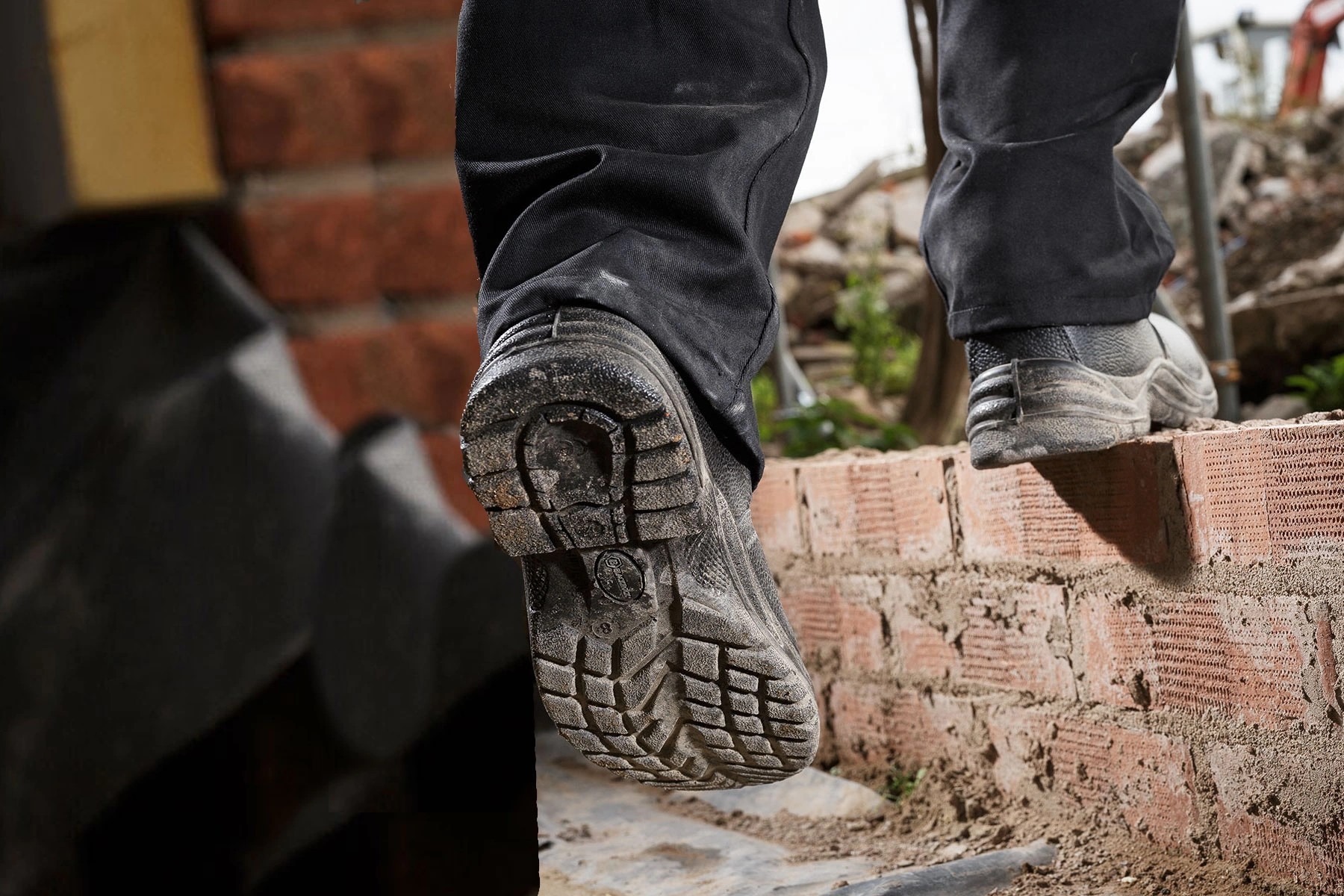
| 05 April 2023
We answer some of those questions you may have been faced with when having to choose safety footwear.
READ POST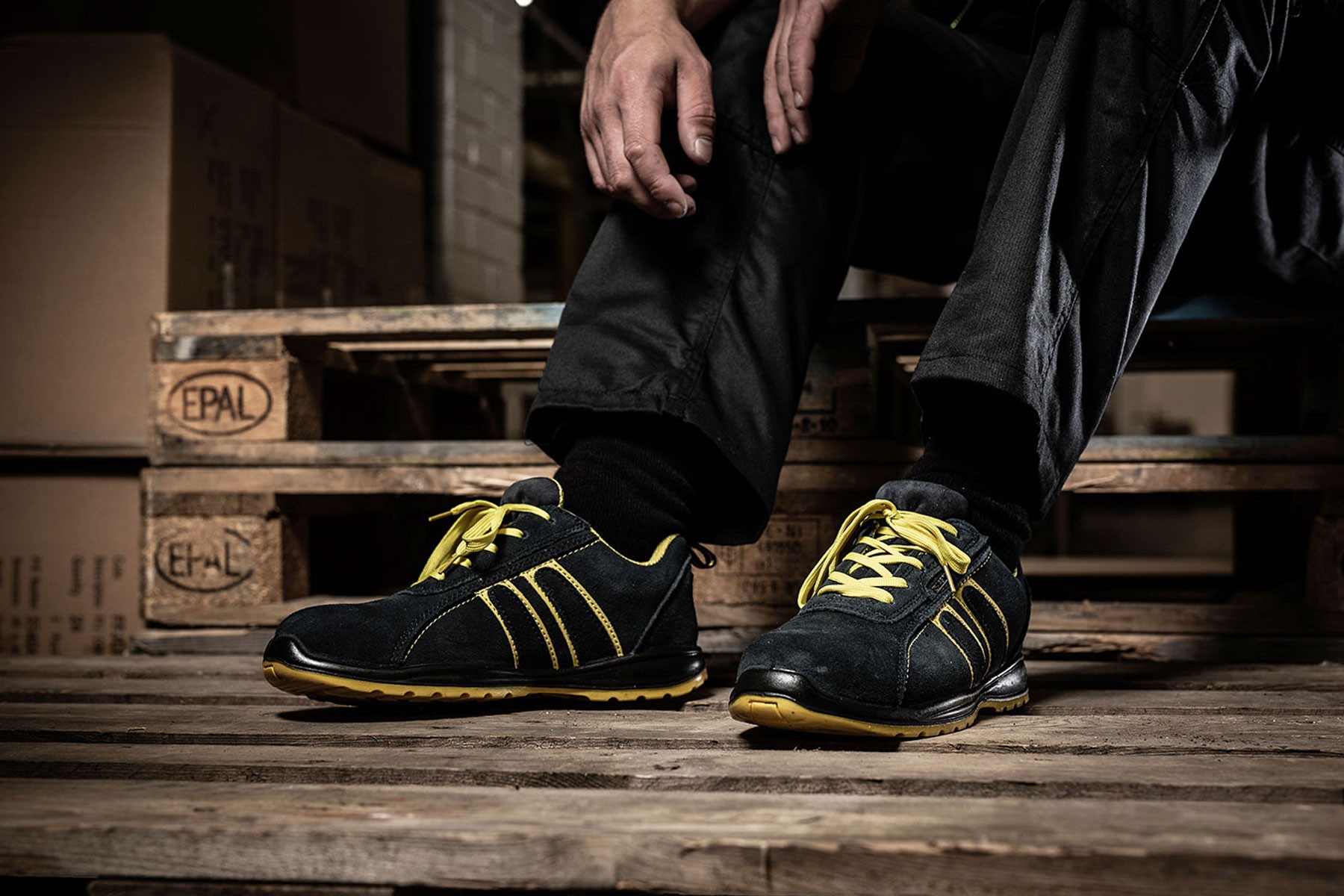
| 25 July 2023
With safety trainers, having to sacrifice style for the sake of safety is no longer a requirement.
READ POST
| 11 April 2025
Some useful tips to identify if your safety boots are safety compliant.
READ POST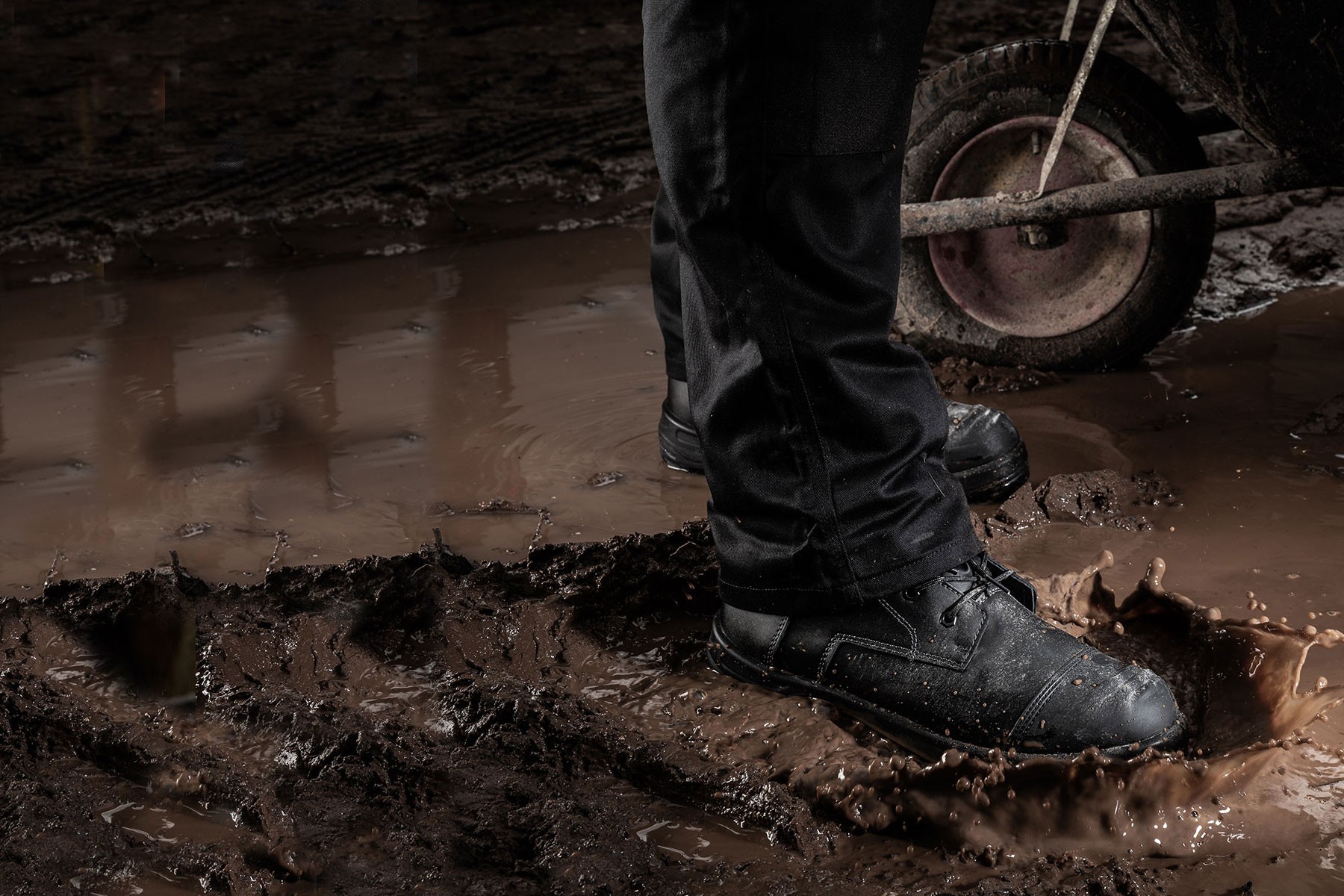
| 24 April 2024
Some simple and effective ways of checking your safety footwear is still fit for purpose.
READ POST